
Say Goodbye to Those Pesky Spring Allergies
What is an Allergy?
A seasonal allergy is an immune condition characterized by hypersensitivity to specific protein molecules, called allergens. The most common sources are insect bites, molds, spores and certain proteins in pasture grasses.
Types of Allergies
Skin and insect bite hypersensitivity, asthma and respiratory issues, feed allergies
How to Detect an Allergy
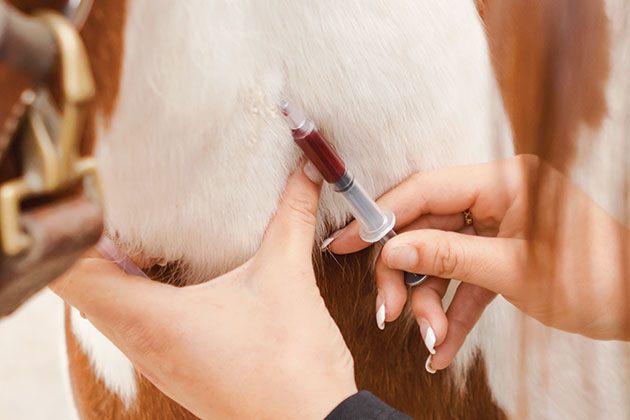
Serum Allergy Test
A simple blood test that measures IgE levels of various antigens. Elevated levels correspond with a positive allergy. The downfall of this test is that false-positive results commonly occur and only mean the animal has come into contact with the allergen, not that the body had a reaction to it.
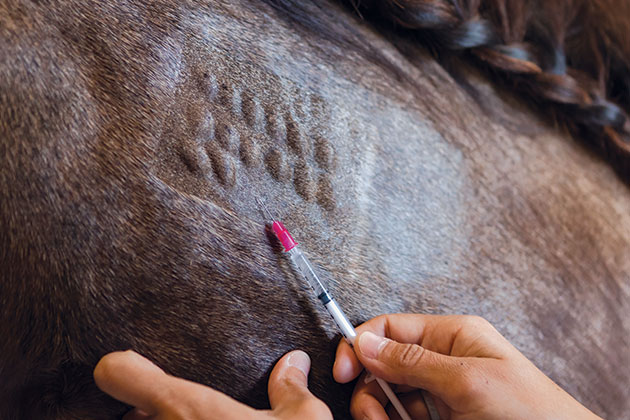
Intradermal Skin Test
This test requires a portion of the skin to be shaved, so that suspected allergens can be injected into the site to show reactivity. This test is best used when an allergen is suspected and final proof is needed.
Signs
Skin Conditions
- Itchiness
- Hives
- Dermatitis
- Hair loss
Respiratory Concerns
- Sneezing
- Coughing
- Runny nose
Eye Issues
- Weepy
- Watery
- Goopy
“For me, I would rather take a nutritional approach. I think for the long-term you’re actually fixing a problem rather than putting a band-aid on it. If I can get the job done in a more functional way, and actually solve the problem, then we’re miles ahead.”
— Kim Gill-Favier, DVM
Combating Seasonal Allergies
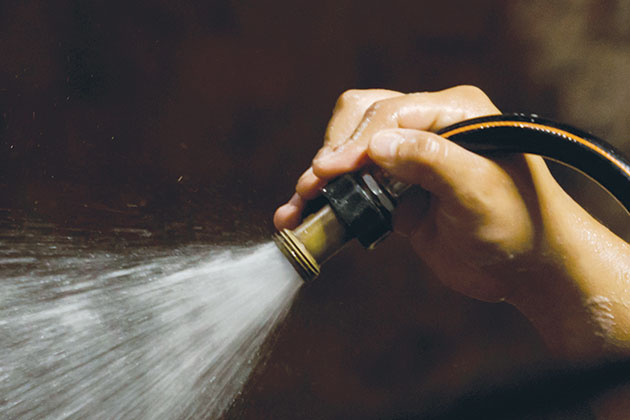
Minimize Triggers
Dust, mold and pollen are the most common triggers for horses with seasonal allergies that can build up after a heavy winter. Clean out your barn and stalls thoroughly, store hay away from the horses and water down any common areas.
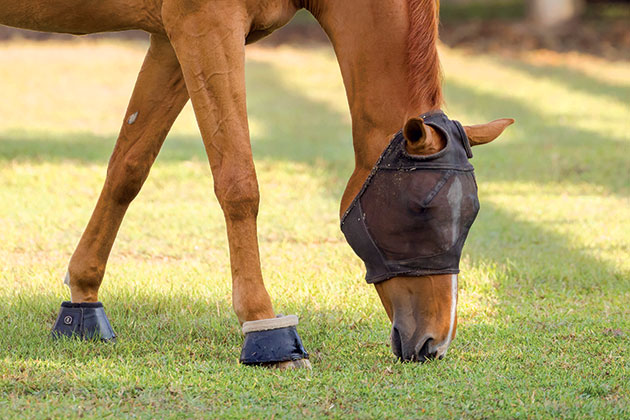
Keep Bugs Away
Fans and fly sprays are great tools to keep the insect population down and the prevalence of bites low. Fly sheets and masks can also help.
Supplement With Advanced Nutrition
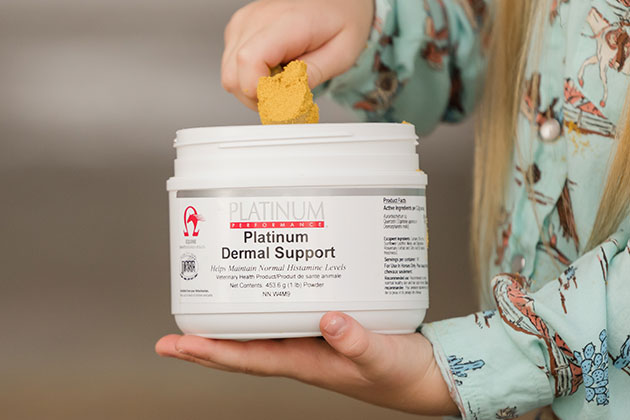
Start supplementing your horse at least 4-6 weeks prior to when your horse typically starts to show signs of seasonal allergies to help provide support for a healthy skin and coat.
Ingredients That Can Help
Nutrition can be a powerful tool to support seasonal allergies.
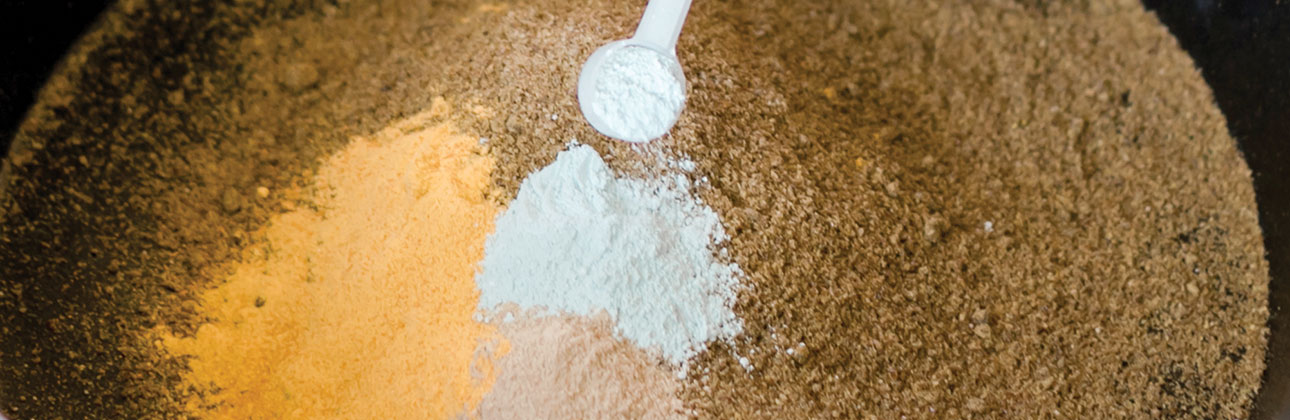
These nutrients maintain skin health, support healthy levels of inflammation and help promote a healthy immune system.
-
Omega 3 Fatty Acids
Studies have shown omega-3 fatty acids can support normal healthy skin and coat in horses with seasonal allergies.
-
Probiotics and Prebiotics
Since at least 70% of the immune system resides in the equine gut, supporting digestion is key for immune health and seasonal allergies.
-
Quercetin
This powerful antioxidant has even been shown to support normal histamine levels, a hormone associated with triggering seasonal allergies.
-
Vitamins E and C
These antioxidants counteract the oxidation associated with a seasonal allergic reaction and support the immune system.
-
Turmeric
A potent antioxidant that helps maintain healthy levels of inflammation and digestive health, which in turn supports horses with seasonal allergies.
-
Tamarind
These seed extracts support advanced digestive care and healthy levels of inflammation, which has far-reaching effects on immune health and seasonal allergies.