An Equine Guide to Poisonous Plants
Toxic trees, weeds and shrubs; warning signs and safer pasture management
 Evidence-Based
Quick Answer
What poisonous plants are dangerous to horses?
Many common pasture plants, weeds, trees and ornamental shrubs can be toxic to horses, including poison hemlock, water hemlock, locoweed, tansy ragwort, nightshade, red maple, oleander and yew. Horses may be exposed through overgrazed pastures, contaminated hay, landscaping or storm-damaged trees and plants. Regular pasture inspections, careful hay selection and safe landscaping can help reduce the risk. If you suspect your horse has consumed a poisonous plant, contact your veterinarian immediately.
Why Horses Are Exposed to Toxic Plants
Horses naturally spend many hours each day grazing and consuming forage. Although curious animals, they instinctively avoid many toxic plants, selecting grasses and other safe vegetation instead. However, modern management practices, environmental changes, drought conditions, overgrazed pastures and limited forage availability can increase the likelihood of horses consuming poisonous plants.
Plant poisoning remains a significant concern for horse owners worldwide, and each year veterinarians across the United States treat horses suffering from plant toxicity. Exposure to toxic plants can cause a wide range of symptoms. From mild digestive upset to others attacking the nervous system, liver, kidneys or heart, consuming toxic plants can lead to mild illness, chronic disease, reproductive problems, organ failure and even death.
"Toxic plants are interesting. First, not all animals will eat the same plant even if they are all in the same pasture," says Dr. Joe Pluhar of Freedom Equine. "Pastures can also look good but contain all weeds. If you don't actually identify the plants, you could have a witch's brew of toxicity. This is especially true in the more desert climates, like Arizona, New Mexico and parts of California. And don't underestimate flowers, they can be deadly."
Factors That Increase the Risk of Consumption
Under normal circumstances, horses tend to avoid toxic vegetation because many poisonous plants have unpleasant tastes, textures or odors. However, several factors can override these natural protective instincts and increase the likelihood of consumption, such as:
- Overgrazed pastures with little desirable grass
- Drought conditions
- Newly introduced horses unfamiliar with local vegetation
- Contaminated hay with toxic plants baled in
- Ornamental landscaping planted near paddocks
- Bored or curious horses with limited forage, especially young horses
- Storm damage that drops leaves or branches into pastures
"Fortunately, poisonous plants are a relatively uncommon concern in the horses that I see. But changing climate conditions, drought and shifting pasture composition increases the potential for toxic plant ingestion in grazing horses," says Dr. Clayton Smith, owner of Smith Equine Performance. "I do occasionally encounter cases where contaminated hay introduces poisonous plants into the diet. Uncommon, but that situation can lead to serious consequences, including liver or kidney failure, making quality forage selection and pasture management essential components of equine health and management."
How Plant Toxins Affect the Equine Body
Exposure to toxic plants can cause a wide range of symptoms. From mild digestive upset to others attacking the nervous system, liver, kidneys or heart, consuming toxic plants can lead to mild illness, chronic disease, reproductive problems, organ failure and even death.

Digestive System Damage
Many plant toxins initially affect the gastrointestinal tract. Horses may develop colic, diarrhea, reduced appetite and dehydration. Chronic digestive irritation can impair nutrient absorption, resulting in poor body condition and weight loss.

Cardiovascular Effects
Certain plants contain compounds that directly interfere with heart function. Cardiac signs can include arrhythmia, weak pulse, exercise intolerance, collapse and sudden death. Cardiotoxic plants often produce some of the most severe poisoning cases.

Liver Disease
The liver serves as the body's primary detoxification organ and is frequently damaged by poisonous plants. Liver failure may result in jaundice, photosensitivity, weight loss, reduced performance and neurological abnormalities. Liver injuries may be irreversible.

Neurological Disorders
Numerous plant toxins affect the central nervous system. Potential manifestations include tremors, seizures, blindness, behavioral changes, incoordination and paralysis. Neurological damage may persist even after toxin exposure ends.

Respiratory Complications
Plant toxins may impair breathing directly or indirectly through neurological dysfunction. Affected horses may show rapid or labored breathing, reduced oxygen delivery and respiratory failure.

Reproductive Problems
Some poisonous plants interfere with fertility and pregnancy. Reproductive consequences can manifest as infertility, early embryonic loss, abortion, congenital defects and reduced reproductive performance. Breeding farms must pay particular attention to pasture management.
Most Common Poisonous Plants Affecting Horses
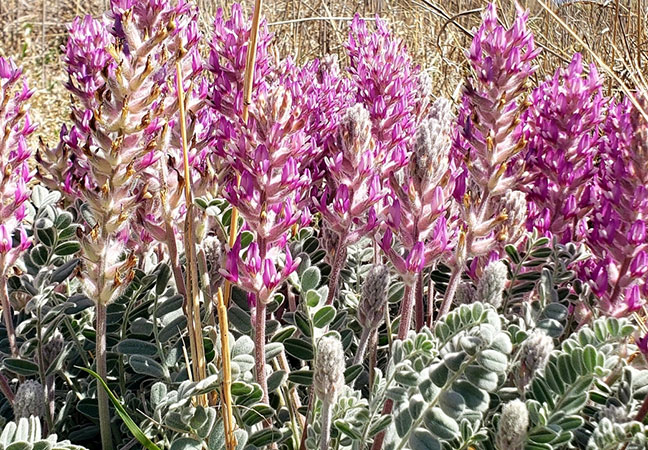
Locoweed
Astragalus spp.
Locoweed, also known as crazy weed, is a leafy perennial often with white or purple flowers that grows primarily throughout western states.
Symptoms include
Unusual behavior, Bobbing head, High-stepping movement, Poor coordination, Weight loss, Reproductive problems: Mid- to late-term abortion, birth defects, male infertility
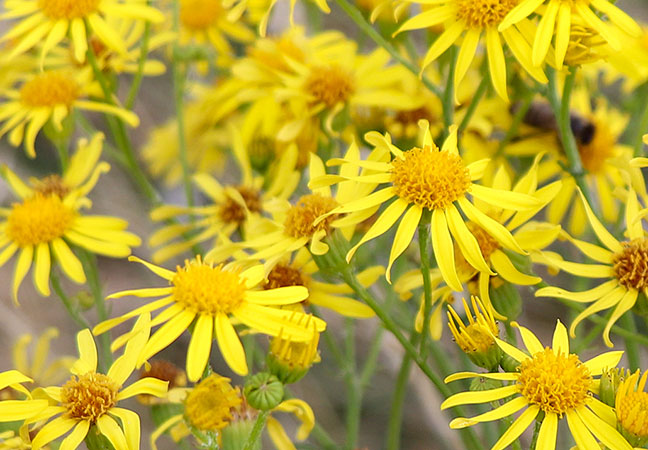
Tansy Ragwort
Senecio jacobaea
Tansy ragwort is a weed that produces small, daisy-like yellow flowers. The entire Senecio species contain pyrrolizidine alkaloids that interfere with cell division and slowly destroy the liver.
Symptoms that may develop over time
Photosensitivity, Poor appetite and weight loss, Depression, Neurological signs, Jaundice, Liver failure
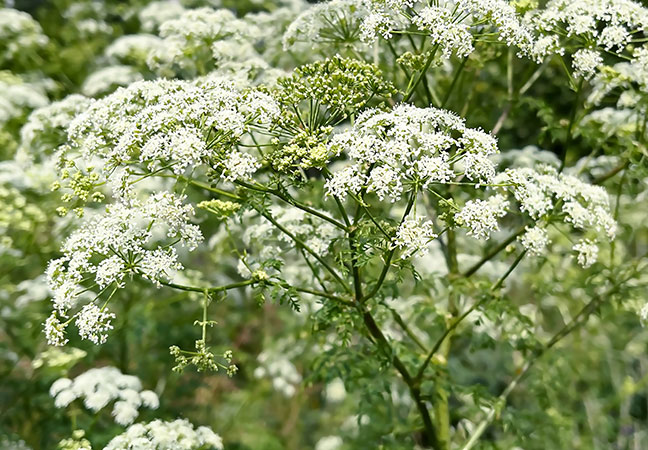
Poison Hemlock
Conium maculatum
Poison hemlock grows on roadsides, fence rows, drainage areas and neglected pastures across most of North America.
Early symptoms include
Dilated pupils, Nervousness, Muscle tremors, Incoordination, Colic, Respiratory failure
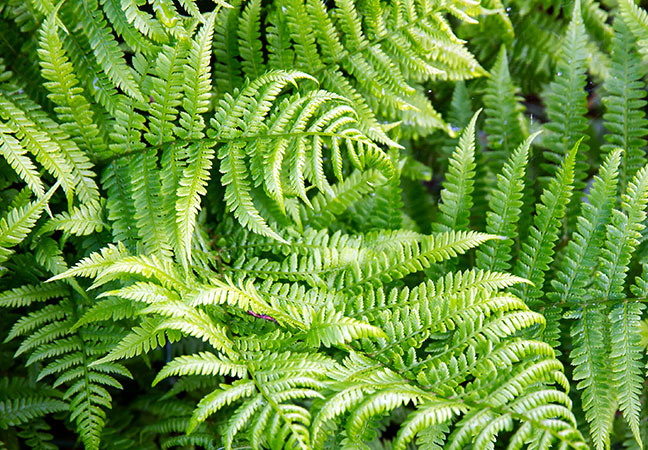
Bracken Fern
Pteridium aquilinum
Bracken fern or bracken is a perennial fern that grows throughout most of the U.S. The plant contains thiaminase, a compound that interferes with vitamin B1 (thiamin) metabolism. Chronic consumption over several weeks can result in severe neurological impairment as thiamin is essential for nerve function.
Symptoms include
Muscle tremors, Incoordination, Difficulty standing, Depression, Weight loss, Blindness
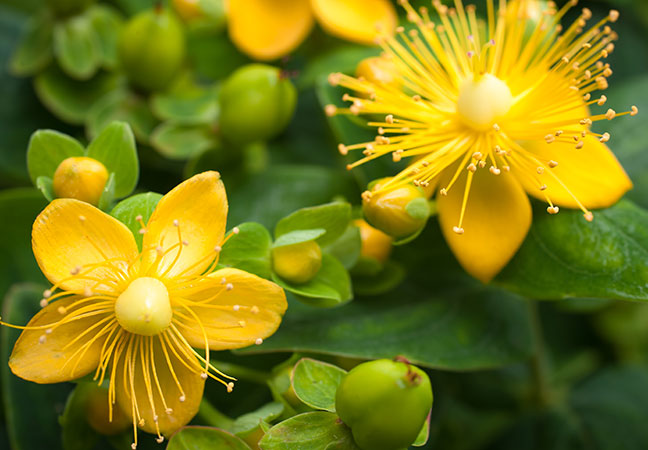
St. John’s Wort
Hypericum perforatum
St. John’s Wort is a flowering plant that contains hypericin, a compound that increases skin sensitivity to sunlight — also called photosensitization. Lightskinned horses are particularly vulnerable, as well as all white face, leg and body markings.
Symptoms include
Sunburn-like lesions, Inflammation of the skin, Skin sloughing, Eye irritation and dilated pupils, Photosensitivity
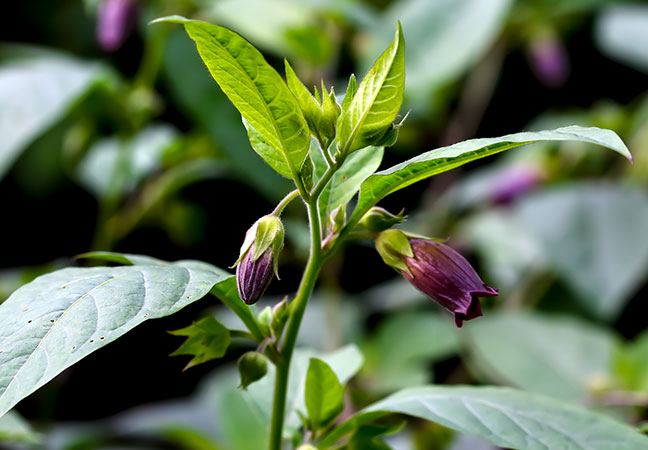
Nightshade Species
Solanaceae
Not all nightshades are poisonous, but several nightshade plants from the genus Solanum contain toxic compounds capable of affecting the nervous and digestive systems.
Symptoms may include
Digestive Upset, Colic, Lethargy or weakness, Excessive salivation, Neurological abnormalities
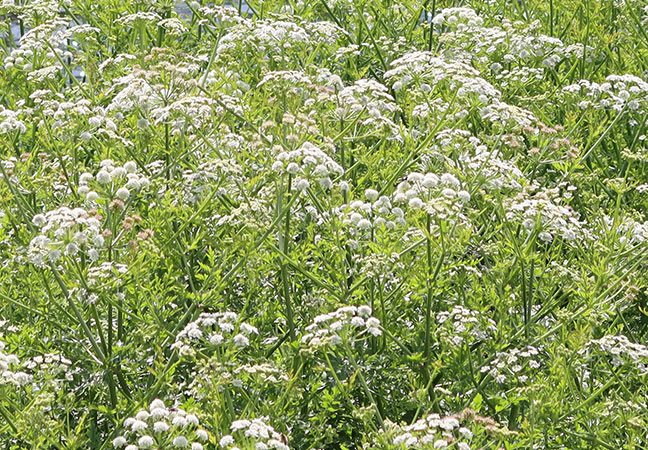
Water Hemlock
Cicuta
Often considered North America’s most poisonous native plant, water hemlock grows in wet soils, creek banks, irrigation ditches and marshes.
Symptoms include
Excessive salivation, Dilated pupils and nervousness, Violent seizures, Muscle tremors, Respiratory paralysis leading to death
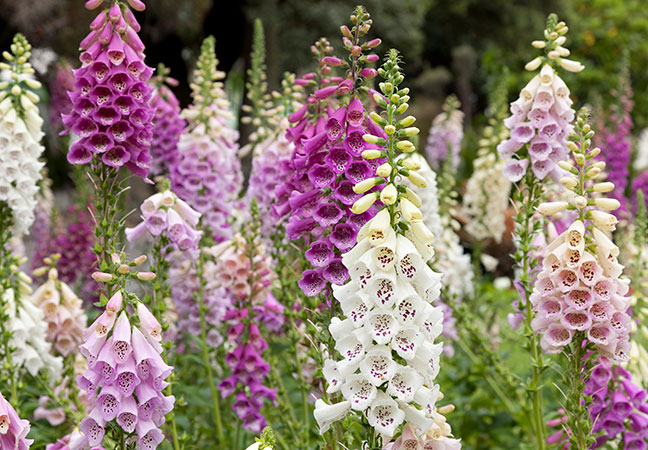
Foxglove
Digitalis
Foxglove's tall flower spikes make it popular in ornamental gardens. Although horses generally avoid the plant, accidental consumption can occur in contaminated hay.
Symptoms include
Irregular heartbeat, Weakness, Colic, Diarrhea, Tremors, Collapse
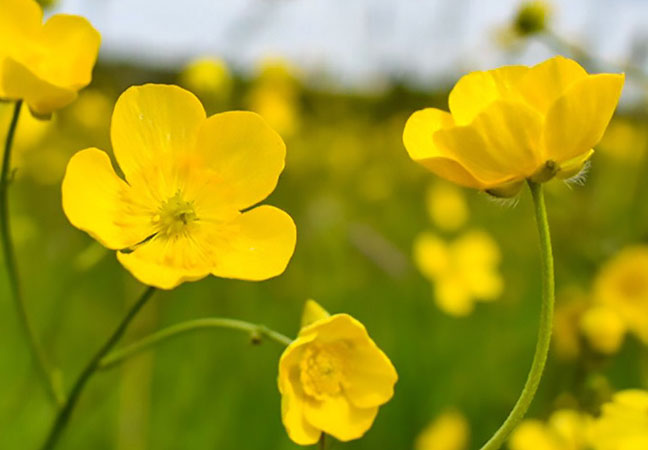
Buttercups
Ranunculus
Bright yellow buttercups are common in moist spring pastures. Fresh plants are acrid-tasting and contain irritating compounds that usually discourage horses from eating them.
Consuming relatively large amounts may cause
Mouth irritation and severe blistering, Mild colic, Excessive salivation, Bloody diarrhea
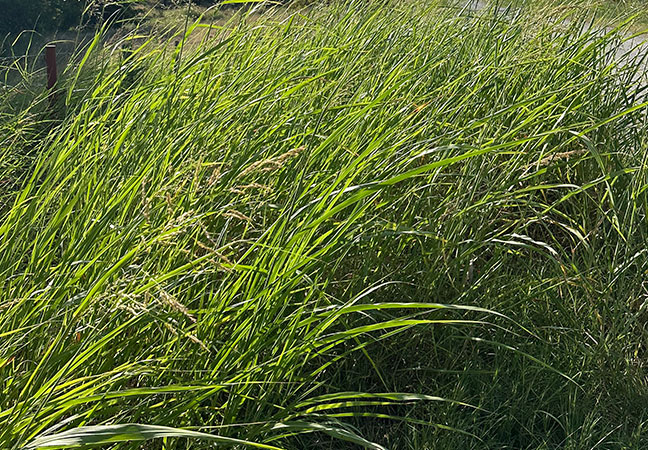
Johnson grass
Sorghum spp.
Johnson grass is coarse-stemmed with broad, veined leaves that can grow up to six feet. Native to the southern climates, the leaves and stems contain cyanide compounds.
Symptoms include
Hindquarter weakness and incoordination, Difficulty backing up, Urinary incontinence, Fetal development problems, Abortion
Toxic Trees to Not Overlook
Many horse owners focus on smaller plants and weeds while overlooking the dangers posed by trees. Fallen leaves can blow into pastures, or overgrown limbs can become accessible. Storm damage often increases risk by placing branches and leaves within reach of grazing horses.
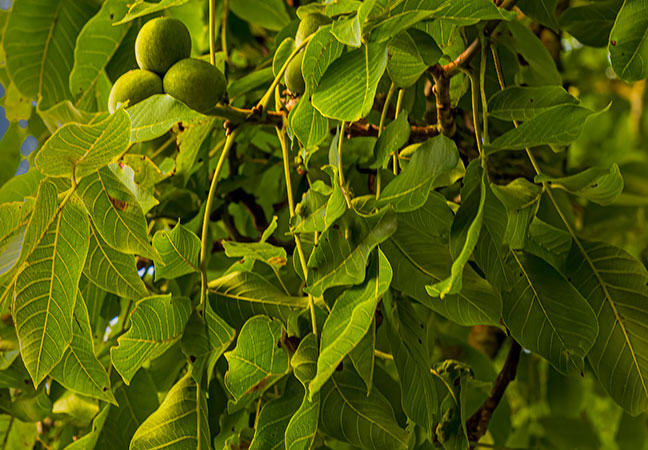
Black Walnut
Black walnut trees themselves are not usually the primary concern in pastures. Black walnut wood shavings used as bedding for stalls, however, can cause serious problems. Even small amounts mixed with other bedding materials can be triggering. Symptoms often appear within hours and include an elevated heart rate, fever, swollen legs, reluctance to move and laminitis.
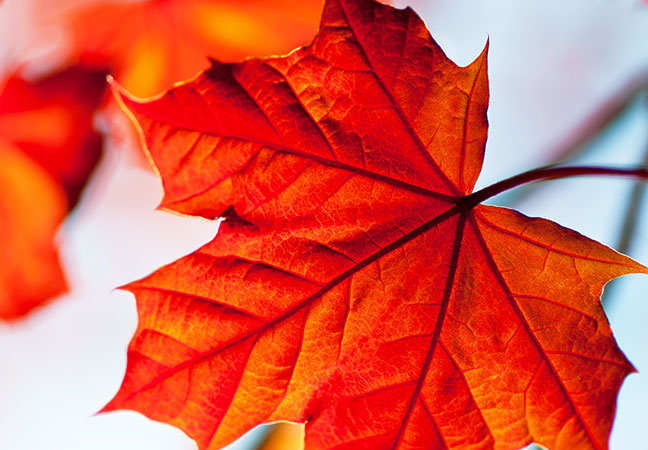
Red Maple
Red maple trees are beautiful landscape trees throughout the eastern United States. Fresh leaves are generally less dangerous. However, wilted leaves are extremely toxic to horses containing compounds that destroy red blood cells causing anemia and preventing oxygen from being carried in the blood. The greatest risk of consumption occurs after storms or in autumn when wilted leaves drop and blow into reach of grazing horses. Poisoning from red maple trees may result in weak and rapid breathing, dark or chocolate-colored urine and pale or yellow gums. Red maple poisoning requires immediate veterinary treatment that often includes administration of large amounts of intravenous fluids and, potentially, blood transfusions. Early detection and veterinary treatment can, in some cases, save a horse from death.
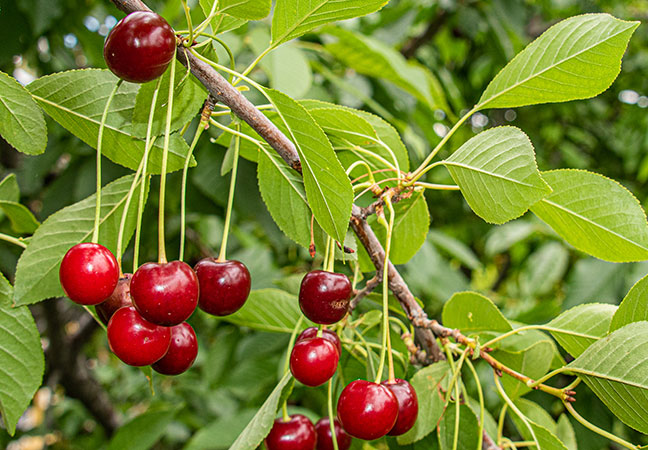
Cherry
Wild black cherry and chokecherry trees are highly toxic to horses. While the fruit is actually safe, the leaves, bark, twigs and pits contain cyanogenic glycosides. Wilted leaves are particularly dangerous, converting the glycoside compounds into cyanide capable of causing collapse and rapid death if consumed.
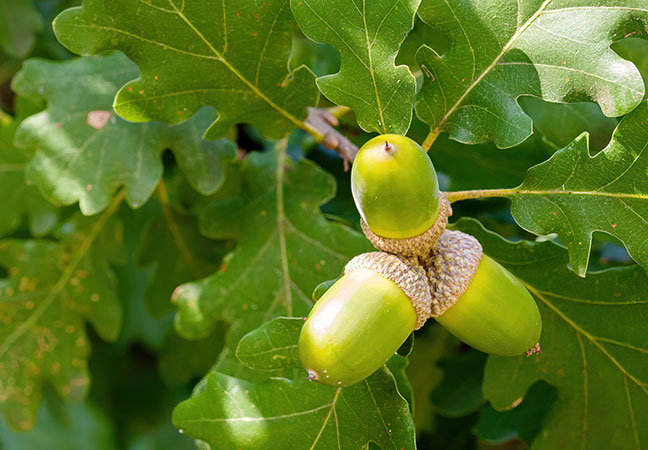
Oak
Oak leaves, buds and acorns contain tannins that are highly toxic. In the spring, budding leaves and young blossoms are very palatable and may entice horses, especially if other forage is not available. Most horses will tolerate small amounts of acorns, but during the fall, green, unripe acorns may drop after storms or high winds and pose a significant threat. Consumption can cause colic with constipation followed by diarrhea and kidney damage or failure.
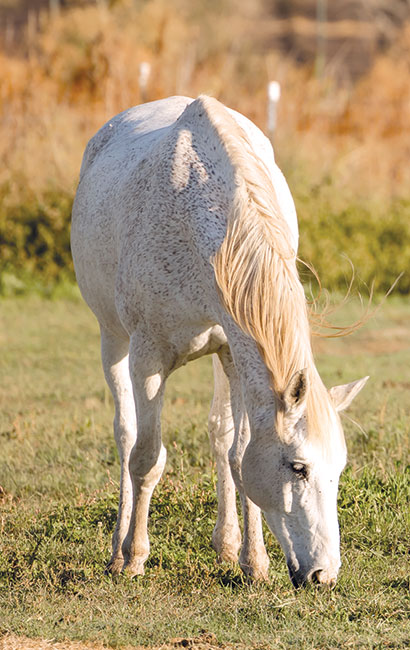
Chewing Disease
Russian Knapweed (Rhaponticum repens) and Yellow Star Thistle (Centaurea solstitialis) are two different highly invasive and toxic weeds affecting horses with the condition Equine Nigropallidal Encephalomalacia (ENE). Also called "chewing disease," the plant toxins destroy nerves in the brain that control fine motor facial movements, causing facial paralysis. Prolonged ingestion of about 30 days or more causes permanent brain damage that is universally fatal due to malnutrition or dehydration as the animal cannot eat or drink properly. Interestingly, cattle and sheep can consume these plants without any outward signs of toxicity.
Located throughout most of the U.S., these plants are mostly concentrated in the West. They are found in overgrazed fields, as well as roadsides, rangelands and other areas. Both plants are toxic in their green and dried states, remaining toxic if mistakenly baled in hay. Toxicosis from these plants is rare but devastating with no treatment options for ENE.
Chewing Disease Symptoms:
- Constant chewing movements even without food in its mouth
- Difficulty chewing and swallowing
- Tongue hanging out
- Lockjaw-like facial muscles
- Aimless wandering and confusion
- Starvation
“I had an interesting case, out near Del Rio, Texas. Lots of spring rain caused the typically desert-like pastures to become very green. But the ‘green’ was just all weeds and toxic plants. The ranch had stopped feeding hay, so the horses were foraging. Three of the four equines in the herd died from eating something poisonous, likely Coyotillo, which is a really toxic shrub native to the area.”Veterinarian's Perspective
— Joe Pluhar, DVM, MBA,
Freedom Equine

Top Three Most Deadly Ornamental Shrubs
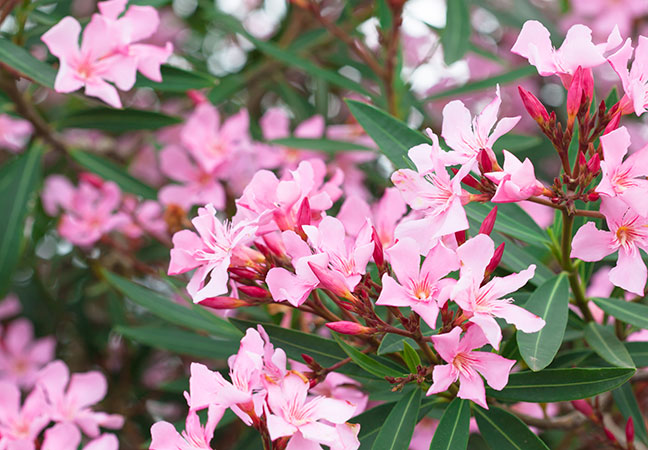
Oleander
Oleander is among the most toxic ornamental plants grown in America. It is common in the southern and western states, and boasts large clusters of beautiful white, pink or red flowers. Every part of the plant contains powerful cardiac glycoside toxins known as oleandrin that disrupt the beating of the heart. Both fresh and dried leaves are dangerous with only a few leaves required to cause sudden death in an adult horse within eight hours of being eaten.
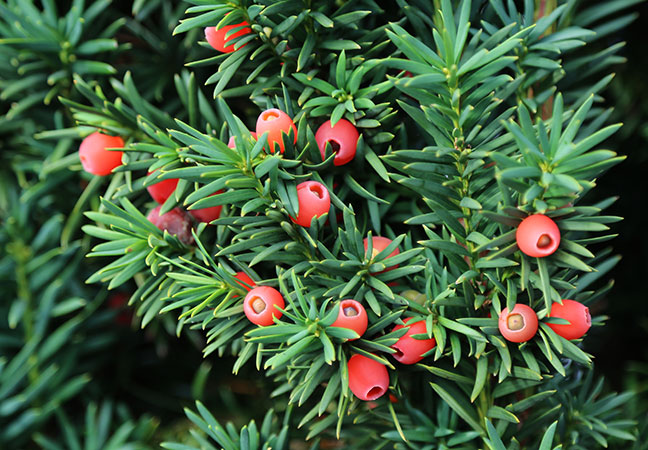
Yew
Popular as an ornamental evergreen shrub with bright red or yellow berries, yews are found throughout much of the country. It is one of the most toxic plants encountered by horses due to potent cardiac toxins. Even small amounts, such as a handful of clippings, can cause sudden death in as little as five minutes after consumption. Every part of the plant is highly poisonous, except for the fleshy part of the berries, containing an alkaloid called taxine that causes respiratory and cardiac collapse.
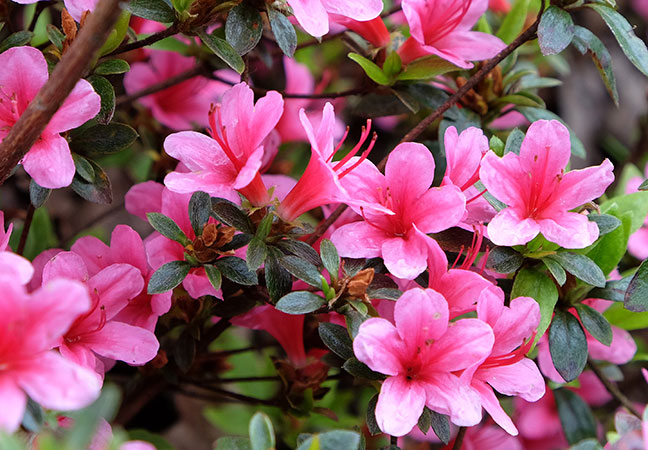
Azalea (Rhododendron)
Rhododendrons, including the common azalea shrub, are highly toxic to horses. All parts of the plant (leaves, flowers and stem) contain grayanotoxins, which bind to sodium channels in the cell membrane, prevent them from closing and disrupt normal heart rhythm, skeletal muscle function and nerve transmission. Continuous cell activation depletes cellular energy, eventually leading to weakness, incoordination and paralysis. If a large dose is eaten, the continuous cardiac and respiratory distress can progress to coma and fatal heart failure. Horses will usually avoid these plants if good pasture is available, but they may browse on them during the winter when forage is scarce, or if clippings are left within reach.
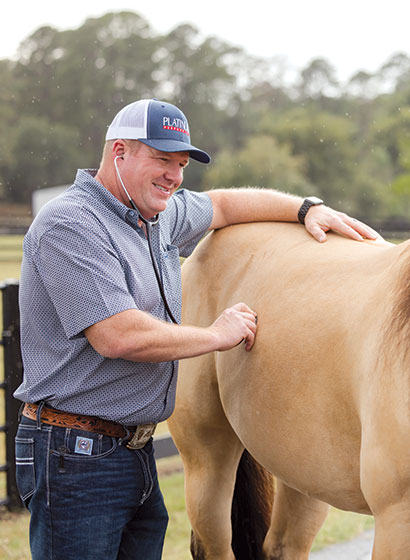
Veterinary Care for Suspected Plant Poisoning
When it comes to suspected plant poisoning, quick action can significantly improve outcomes. Call your veterinarian at the first sign your horse may have consumed something toxic. Time is quite critical. Many toxic plants are only dangerous when consumed in large quantities, but there are some that can cause severe illness after relatively small tastings. Early identification and prompt veterinary intervention often determine the outcome for affected horses.
If you believe your horse has eaten a poisonous plant, remove the horse from the pasture immediately. Save samples or photograph the area, if possible. Many toxins have no antidote, but early supportive care greatly improves survival. Veterinarians typically rely on medical history, a physical examination, blood testing, toxicology testing and plant identification. Diagnosing plant poisoning can be challenging as symptoms often resemble infectious diseases, metabolic disorders and other health problems.
Support May Include:
- Intravenous fluids
- Anti-inflammatory medications
- Pain management
- Nutritional support
- Activated charcoal
- Gastrointestinal protectants
Prevention Is Always Better Than Treatment
Plant poisoning is one of the most preventable equine emergencies.
Regular pasture inspections, proper grazing management, weed control, safe landscaping and careful hay selection and inspection dramatically reduce the chances of exposure. Never feed garden or hedge trimmings to horses.
Every horse owner should become familiar with the toxic plants common to their region and remove them before they become a problem. Equally as important is knowing the early warning signs of poisoning that allow you to act quickly. Every minute matters with poisoning.
If you suspect your horse has consumed a poisonous plant, contact your veterinarian immediately. Rapid diagnosis and treatment can make the difference between a full recovery and a life-threatening emergency.
A safe pasture isn't simply one with plenty of grass; it is one where dangerous plants have no opportunity to grow. With routine monitoring and good pasture management, you can help ensure your horse stays healthy, productive and protected throughout the year.
Frequently Asked Questions About Toxic Plants in Horses
Will horses always avoid poisonous plants?
No. While many horses ignore toxic plants when quality forage is available, hunger, boredom, drought or contaminated hay can lead to accidental poisoning. Providing continuous access to quality hay or pasture significantly reduces curiosity grazing.
Are some horses more at risk to consume toxic plants?
Yes. Higher-risk horses include: young horses, horses on overgrazed pasture or with limited forage and newly relocated horses. Providing continuous access to quality hay or pasture significantly reduces curiosity grazing.
Can frost make plants more dangerous?
Yes. Wilted leaves from red maple and cherry trees become significantly more toxic after frost or storm damage.
Can toxic plants end up in hay?
Absolutely. Drying does not destroy every toxin. Several plants remain poisonous after baling, such as tansy ragwort, jimsonweed, poison hemlock and locoweed. Because dried weeds often lose their bitter taste, horses may consume them more readily than fresh plants. Inspect every bale before feeding.
Plant poisoning remains a significant concern for horse owners worldwide. While these are some of the most common poisonous plants, there are many others that are toxic to horses, including: tall fescue, pokeweed, avocado, white snakeroot, milkweed, cocklebur, hoary alyssum, box elder, sycamores, hydrangeas, sago palm, horse tail, poison ivy, a variety of clovers and more. It is important to know plants that are toxic and potentially problematic in your specific region. Prevention is the key to poisonous plant control.
Scientific References
This article is based on published veterinary and scientific research. The references below include peer-reviewed journals, veterinary textbooks, and other authoritative sources used during the preparation of this article.
- American Association of Equine Practitioners. (2017, January 1). Client educational presentation: Poisonous plants.
- ASPCA. (2026, July). Toxic and non-toxic plant list—Horses.
- Bildfell, R. (2022). Overview of pyrrolizidine alkaloidosis (Seneciosis, Senecio poisoning, ragwort toxicity). In Merck Veterinary Manual.
- Burger, S. M. (Ed.). (1996). Horse owner's field guide to toxic plants. Breakthrough Publications.
- Burrows, G. E., & Tyrl, R. J. (2013). Toxic plants of North America (2nd ed.). Wiley-Blackwell.
- Cornell University Department of Animal Science. (2018). Plants poisonous to livestock (Horses database).
- Gupta, R. C. (Ed.). (2018). Veterinary toxicology: Basic and clinical principles (3rd ed.). Academic Press.
- Hovda, L. R., Benson, D., & Poppenga, R. H. (Eds.). (2021). Yellow star thistle (Centaurea solstitialis) and Russian knapweed (Acroptilon repens). In Blackwell's five-minute veterinary consult clinical companion. Wiley-Blackwell.
- Knight, A. P., & Walter, R. G. (2001). A guide to plant poisoning of animals in North America. Teton NewMedia.
- Mayhew, G. J., & MacKay, R. J. (2022). Toxic diseases. In Large animal neurology (Chap. 34, pp. 412–480). Wiley-Blackwell.
- Merck Veterinary Manual. (n.d.). Poisonous range plants of temperate North America.
- Nadeau, J. (2025). Toxic plants and horses: Concerns and prevention. University of Connecticut Extension.
- Penn State Extension. (2026). Plants toxic to horses.
- Romano, M. C. (2023). Toxic garden and landscaping plants. Veterinary Clinics of North America: Equine Practice, 40(1), 61–76.
- Stegelmeier, B. L. (2009). Plants poisonous to your horse—Part I. USDA Agricultural Research Service.
- Utah State University Extension. (2010). Poisonous plants and equine.